Summary: A rugby player's value goes beyond size and speed. Explore decision-making under fatigue, positional
he best rugby player I ever shared a pitch with couldn't bench press his body weight. He was a scrum-half, small and unassuming, and he read the game two passes ahead. That contradiction sits at the heart of the sport: physicality matters, but it's rarely the whole story. Watch a professional match closely and you'll notice that the most influential rugby player on the field often isn't the biggest or the fastest—it's the one making decisions a split second before contact.Take defensive alignment. A rugby player defending at inside centre has roughly 1.5 seconds to assess the attacking shape, call a drift or a blitz, and commit. Miss that window and the opposition finds space on the edge. I've seen international centres get exposed not because they lacked pace。but because they hesitated. The mental load is brutal—lineout calls, kicking options, breakdown priorities—and it accumulates over eighty minutes. Fatigue doesn't just slow the legs;it clouds judgment, which is why elite squads drill decision-making under controlled exhaustion rather than simply running laps.Positional demands vary so much that calling someone 'a rugby player' barely describes anything. A tighthead prop absorbs scrum forces equivalent to a small car pressing sideways;a winger might sprint sixty metres in a single phase. Yet both need handling skills. Modern coaching treats every rugby player as a playmaker first—forwards pass before contact, backs clean out rucks. This shift explains why hybrid athletes, former basketball players or decathletes, increasingly find pathways into the professional game. Raw power without ball skills gets exposed at the top level.Injury risk deserves honest attention. Rugby player welfare debates often centre on tackle height and concussion protocols。
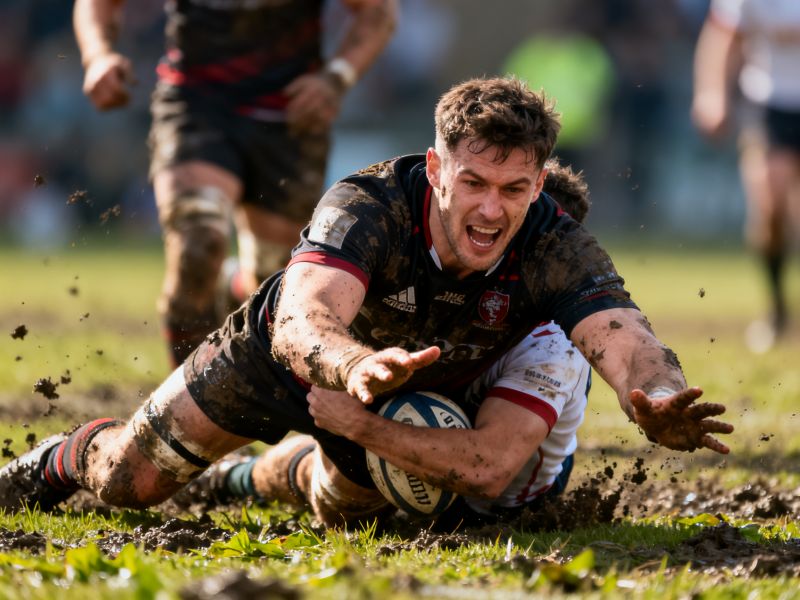
and rightly so. I've spoken to retired players who admit they hid symptoms to stay on the field. Governing bodies now enforce graduated return-to-play steps, and independent spotters can pull a rugby player from the pitch. Progress is real, but culture changes slower than rulebooks. Grassroots clubs still struggle with medical cover, and that gap worries me more than any professional policy.What separates good from great, though。is temperament. A rugby player who misses a tackle must reset instantly—the next phase arrives in seconds. Sulking costs points. The sport rewards short memory and stubborn work rate. Watch a flanker after a knock-on: no theatrics, just a reset and a chase. That resilience transfers off the field, which is partly why employers value rugby backgrounds. Skill can be coached. Composure under pressure, less so. And that, more than any gym number, defines the player worth building a team around.